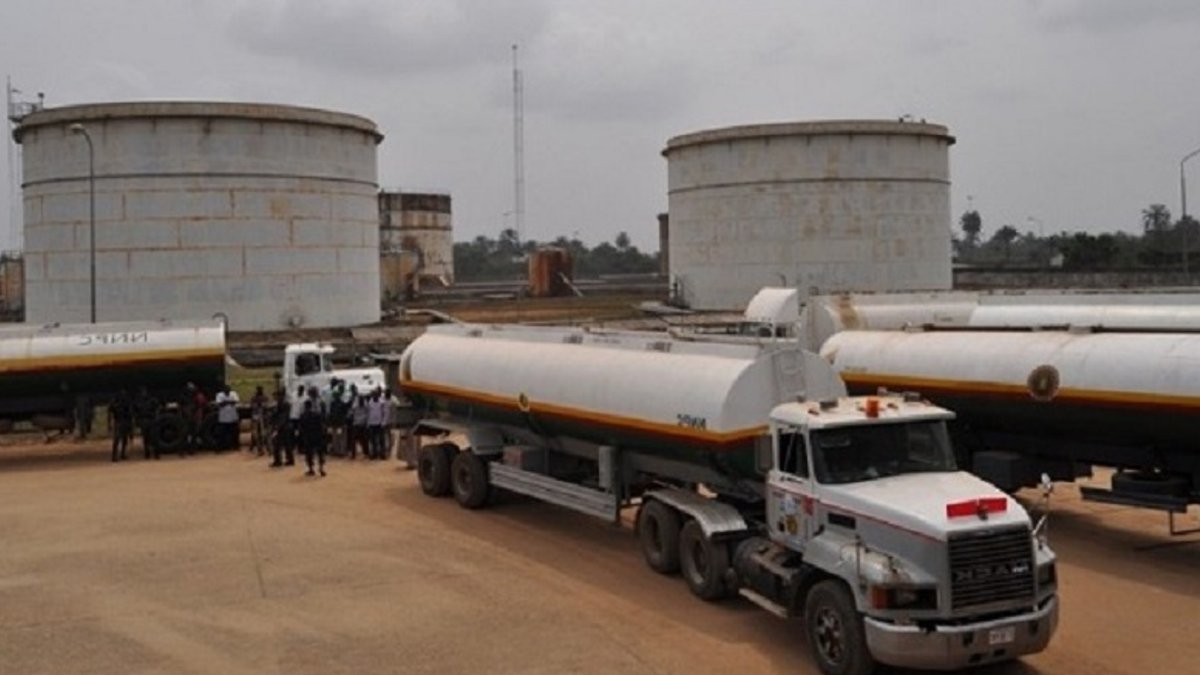
Drivers of edible-oil tankers in Nigeria announced they will begin a work stoppage on September 22 if a dispute over representation is not settled, and they warned that the halt could affect the entire supply chain for cooking oils across the country.
Jurisdiction clash fuels tension
The General Secretary of the National Union of Edible Oil Tanker Drivers of Nigeria (NUEOTDN), Tajudeen Usman, told reporters in Lagos that the Petroleum Tanker Drivers (PTD) wing of the Nigeria Union of Petroleum and Natural Gas Workers (NUPENG) has stepped into activities that belong to his group, claiming that the PTD members have started to operate in areas traditionally managed by edible-oil drivers.
Usman said the PTD faction has harassed members, disrupted schedules and infringed on the body’s established remit, prompting a demand for a clear demarcation of responsibilities. He emphasized that the interference has caused confusion among drivers and has led to missed deliveries at key distribution points.
He added that the Amalgamated Union of Wharf Truck Owners of Nigeria (AUTOWN) is also operating in the sector through the Wharf 302 Products and Beverages Association, further blurring the lines of authority and creating additional competition for limited loading bays.
Read Also: Nigeria’s Gas Export Earnings Surge 4.2% to $6.22 Billion
Calls for official mediation
The Lagos State Council of the Nigeria Labour Congress (NLC) urged the federal government to step in before the confrontation escalates, noting that unresolved labor disputes have historically led to broader economic disruptions.
Vice Chairman Olabisi Idowu proposed a meeting that would include federal and state officials, security forces and the parties involved, aiming to settle the jurisdictional question through the Register of Trade Unions. He highlighted the importance of a swift resolution to maintain smooth operations at the city’s ports and depots.
Idowu warned that any unresolved clash could threaten public order in Lagos, a city already dealing with heightened security concerns, and could also spill over into neighboring states that rely on Lagos as a distribution hub.
Representatives of the Marketers and Sellers of Edible Oil Association of Nigeria, led by President Labaran Sidi, echoed the sentiment, noting interference at refineries and depots that hampers distribution. He pointed out that the association has invested in new storage facilities to improve product quality, and those investments could be jeopardized by a prolonged strike.
Read Also: Fed Rate Hike Threatens Nigeria’s Naira
Regulatory backdrop and safety worries
In May, Lagos authorities banned the use of petroleum tankers for edible-oil transport, a move intended to improve hygiene and traceability across the supply chain. The directive required the exclusive use of food-grade certified tankers for edible-oil transportation.
These standards aim to address persistent concerns about substandard oils; a 2025 warning from the National Agency for Food and Drug Administration and Control (NAFDAC) highlighted the circulation of unregistered and substandard edible oil products. The agency’s bulletin listed specific violations that could lead to fines or seizure of goods.
Authorities listed several brands, including OKI, FINO, SUPER DELICIEX and LA JONIC, found in markets across Lagos, Kano, Port Harcourt and other cities, noting the potential public-health risks of contaminated supplies.