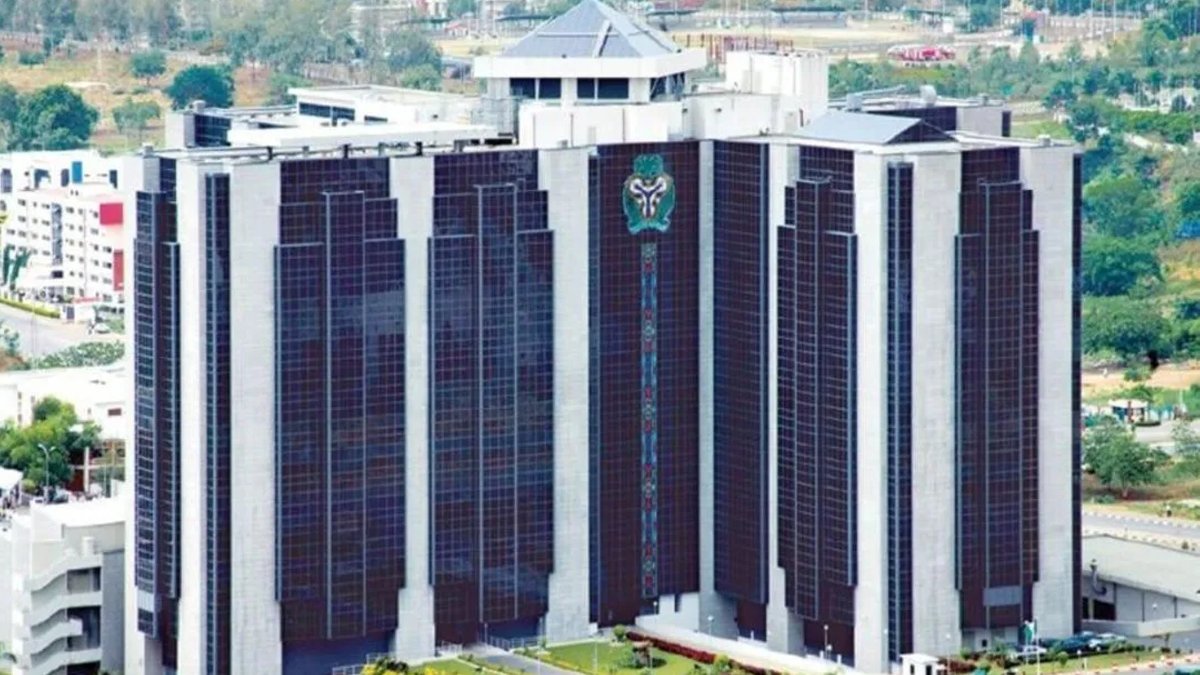
The Central Bank of Nigeria (CBN) allotted N1.05 trillion in its Treasury Bills primary market auction on September 9, 2026. The stop rate for the 364-day bill fell to 16.62%, its lowest in recent weeks, marking the third consecutive cut. This reduction is part of a broader trend observed in recent auctions, where the CBN has been gradually lowering rates after a prolonged period of monetary tightening. The auction’s outcome reflects the CBN’s strategic approach to managing liquidity and interest rates in the economy.
This reduction signals a potential shift in the CBN’s interest rate policy after three years of raised rates and monetary tightening. The auction drew N2.64 trillion in bids against an initial offer of N750 billion. The substantial oversubscription highlights investor confidence in the CBN’s instruments, even as rates begin to ease. This shift comes amid broader economic challenges, including inflationary pressures and the need to stimulate growth, prompting the CBN to reconsider its policy stance.
Auction Details and Investor Demand
The CBN allotted N1.054 trillion, exceeding the original offer by N304.18 billion. The 364-day bill dominated demand, attracting N2.537 trillion in subscriptions, roughly 5.07 times the N500 billion offered. This overwhelming demand shows investors’ preference for longer-term instruments, which offer higher yields and stability. In contrast, the 91-day and 182-day bills saw weaker interest, with subscriptions covering only 50.6% and 2.90 times their respective offers, reflecting a lack of appetite for shorter-term investments in the current market environment.
The 91-day bill’s stop rate remained at 16.30%, while the 182-day bill held steady at 16.50%. The 364-day bill’s stop rate fell by 22 basis points to 16.62%, continuing a downward trend from 17.59% in August 2026. This gradual reduction in the stop rate aligns with the CBN’s efforts to ease monetary conditions while ensuring that longer-term investments remain attractive to investors. The maturity dates for these tenors are strategically set to provide liquidity at key points in the fiscal calendar, with the 91-day bill maturing on December 10, 2026, the 182-day bill on March 11, 2027, and the 364-day bill on September 9, 2027.
Read Also: Iran attacks US base in Jordan and targets ships near
Easing Trend and Market Signals
The 364-day bill’s yield remains the most attractive, drawing 96% of total subscriptions. This strong demand reflects investors’ preference for locking in higher returns despite the rate cuts, as they seek to hedge against potential future rate hikes or inflationary pressures. The 91-day bill, however, saw subscriptions fall to just 50.6% of the offer, highlighting the disparity in investor appetite and the market’s cautious approach to shorter-term investments.
This easing trend aligns with broader signals that Nigeria’s fixed income market is moving toward lower rates after months of raised yields. The CBN’s actions come as its Monetary Policy Committee (MPC) prepares to meet, with Wednesday’s auction results offering clues about the future direction of interest rates. The MPC’s upcoming decision will be closely watched by market participants, as it will provide further clarity on the CBN’s policy trajectory and its implications for the broader economy.
Implications for the Broader Economy
The rate cuts could ease borrowing costs for businesses and consumers, potentially stimulating economic activity by making loans more affordable and encouraging investment. However, the sustained demand for longer-term bills suggests investors remain cautious about short-term economic prospects, preferring the security of higher yields over shorter-term gains. The CBN’s strategy appears aimed at balancing inflation control with growth support, a delicate task as the economy handles ongoing challenges such as currency volatility, fiscal deficits, and external shocks.
The auction’s outcome shows the CBN’s gradual approach to policy adjustment, with the 364-day bill’s yield still offering a competitive return despite the cuts. This approach allows the CBN to maintain market confidence while gradually easing monetary conditions. As the MPC convenes, market participants will closely watch for further signals of the bank’s policy trajectory, particularly regarding the pace and extent of future rate cuts and their impact on inflation, growth, and investor sentiment.