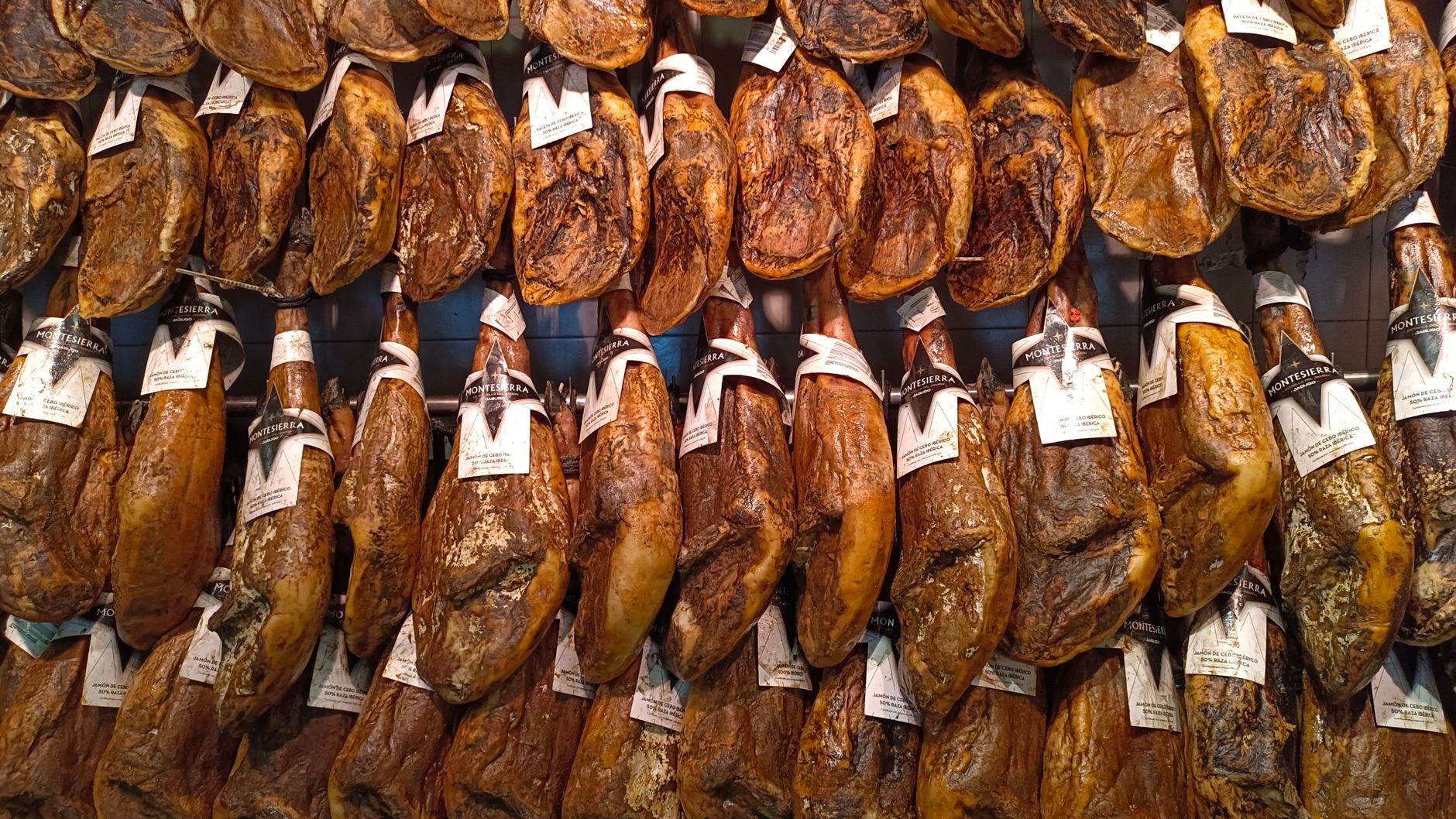
A Crisis Threatening a National Economic Pillar
Across the farmlands of Catalonia, uncertainty is growing. Farmers, producers, and exporters are facing a serious challenge that could reshape one of Europe’s most important agricultural sectors. The phrase Spain’s huge pork industry seeks salvation from swine fever threat reflects a situation that is affecting not only farms, but also global trade and economic stability.
Spain’s pork industry, valued at around €25 billion, has become the largest in Europe. It plays a critical role in the country’s economy. However, the emergence of African Swine Fever (ASF) has created a dangerous situation that threatens its future.
The Human Impact on Farmers
For farmers like Jordi Saltiveri, the crisis is deeply personal. Running a farm with 8,000 pigs in Lleida, he represents generations of agricultural tradition. When ASF was detected, the reaction was immediate concern.
The financial impact has been significant. Each pig sold now brings in €30 to €40 less than before the outbreak. Profits are shrinking, and losses are increasing. Uncertainty about the future is making the situation even more difficult.
ASF does not affect humans, but it is highly contagious and deadly for pigs and wild boar. If it spreads further, it could devastate farms across the country.
Origins and Spread of the Disease
The outbreak began in Collserola Park near Barcelona, where an infected wild boar was discovered. Authorities quickly restricted access to the area and began monitoring the situation closely.
Wild boars are considered a major factor in spreading the disease. Their population has grown significantly, and they often move between forests and urban areas. This increases the risk of transmission.
To control the situation, authorities have started culling wild boars and monitoring their movements using cameras and drones. High-risk zones have been established, and strict controls are in place.
Strong Biosecurity Measures
Spain has long maintained strict biosecurity standards. Since eliminating its last ASF outbreak decades ago, the country has built strong systems to protect its livestock.
Now, these measures have been strengthened further. Vehicles and equipment are disinfected regularly. Animal movement is tightly controlled. Farms are under strict supervision to prevent contamination.
Officials believe these steps are essential to protect the industry and prevent further spread.
Economic Impact and Export Losses
The biggest impact has been on exports. Many countries, including Brazil, Japan, Mexico, South Africa, and the United States, have stopped importing Spanish pork.
This has caused a sharp drop in demand. Exports from Catalonia alone fell by 17% in January compared to the previous year. Prices have also dropped, directly affecting farmers’ income.
So far, the industry has lost more than €600 million. For a sector that depends heavily on global trade, this is a major setback.
Some regions, including parts of Europe and China, have applied more limited restrictions, banning pork only from affected areas. While this helps slightly, it does not fully solve the problem.
Lessons from Other Countries
Spain is looking at other countries for guidance. Germany faced serious damage from ASF, including a 25% drop in production and the closure of many farms.
Belgium, however, managed to eliminate the disease within 14 months. Spain hopes to follow a similar path.
Even after the disease is eliminated, the country must wait 12 months before it can fully regain its export status. This means the recovery process will take time.
Domestic Market Stability
Despite the crisis, pork consumption within Spain remains stable. Consumers still trust the safety measures in place.
Retail prices have not changed significantly, and pork continues to be an important part of Spanish cuisine. This domestic demand is helping to support the industry during a difficult period.
However, internal consumption alone cannot replace lost export revenue.
The Road Ahead
The situation remains uncertain. While authorities are working to control the outbreak, concerns remain about how quickly it can be contained.
Some industry groups believe stronger action is needed. Others remain hopeful that existing measures will be effective.
What is clear is that the coming months will be critical.
Conclusion
The phrase Spain’s huge pork industry seeks salvation from swine fever threat highlights a serious challenge for one of Europe’s most important industries.
The outbreak has exposed weaknesses but also tested the strength of Spain’s agricultural system. With strict controls, coordinated action, and continued effort, there is hope that the industry can recover.
For now, farmers, businesses, and policymakers must work together to protect the future of this vital sector.