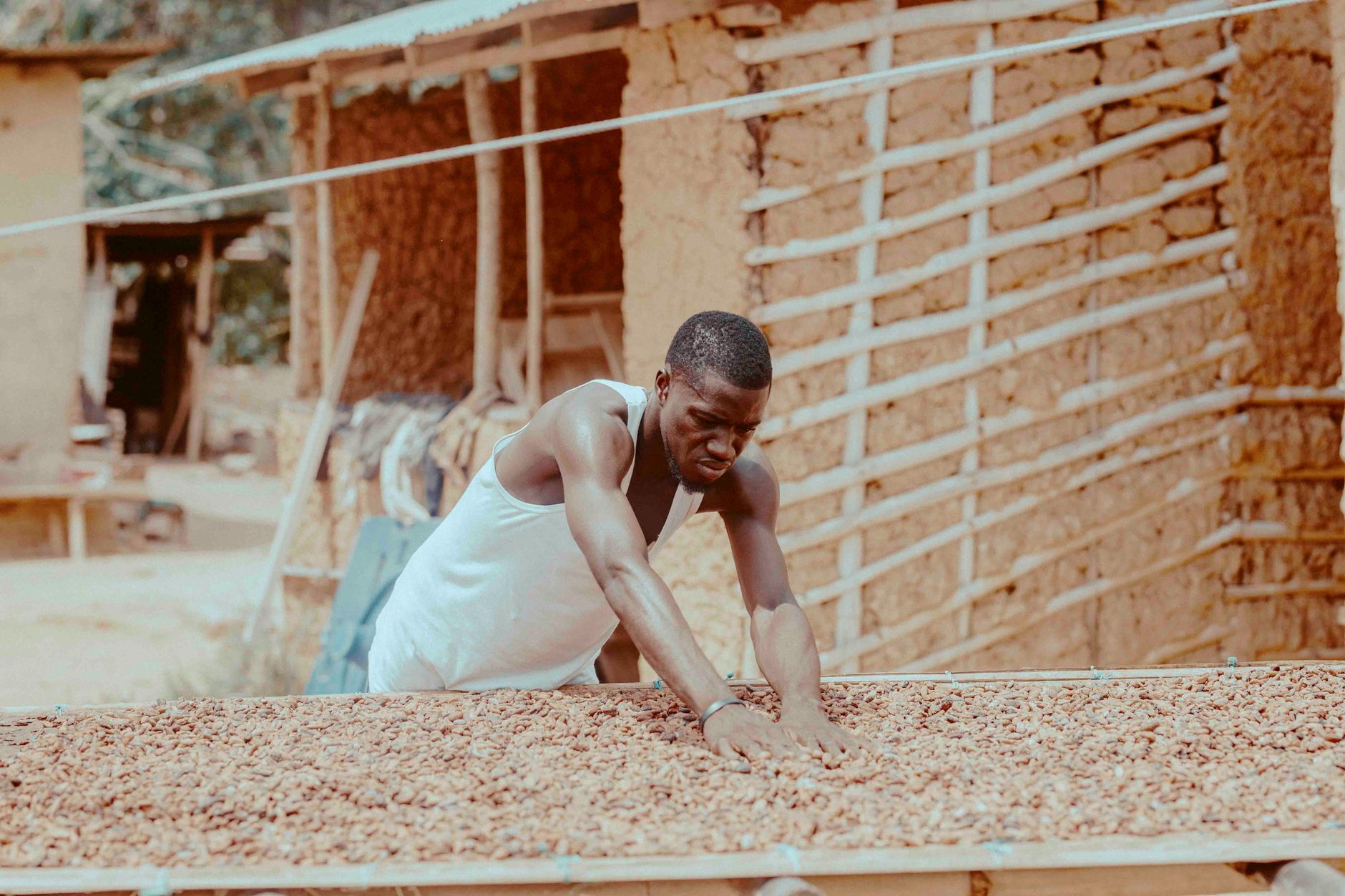
Cocoa prices have fallen 70% in the last year, a dramatic drop that has exposed deep fractures in West Africa’s supply chain. While oil, gold, and other commodities hit record highs in 2026, cocoa went the other direction — and the industry’s long-standing problems are now harder to ignore.
West African cocoa farmers remain largely cut off from global markets, limiting their ability to benefit from sustainability premiums or fair trade initiatives. Climate change, deforestation, smuggling, and inadequate financing are all undermining production, according to experts who spoke with the outlet.
The lack of transparency is a major problem given new international rules. The European Union’s Deforestation Regulation (EUDR) requires that all cocoa products exported to Europe be traceable to their exact origin and produced on land not deforested after December 31, 2020.
But the opaque nature of the market points to a broader issue: the lack of contact between West African farmers and global buyers. Local growers sell to aggregators, known as ‘traitants’ in Côte d’Ivoire, who take the cocoa to warehouses for major exporters. Farmers themselves, selling from the farm gate, never see the higher prices associated with fair trade chocolate.
Related: EU backs US trade deal to slash tariffs
“Farmers and cooperatives have to be involved with the international market,” said Dr Tedd George, CEO of Kleos Advisory. “Getting financial incentives aligned with environmental and social ones is what brings sustainable production.”
One positive step has been the country’s development of biometric cards for farmers. The cards allow them to trace beans from production to export and ensure they’re paid a fair price. The government also uses them to track plantations, protecting forested land.
Without direct contact with international markets willing to pay a premium for sustainability standards, most producers stand to make little or no return from investing in sustainable practices.
Smuggling and storage constraints
Smuggling remains a persistent challenge.
Related: Visa unveils new payments tech with OpenAI
Ghana’s Cocoa Board (COCOBOD) sets fixed prices once a year at the start of the harvest, while Togo adjusts recommended prices twice a month based on global market value.
Producers also often hold onto their beans expecting prices to rise, but poor storage and the spread of disease can lead to crop deterioration. Without a mechanism for exchanging and financing cocoa crops, they lack power and beans get wasted.
The question of child labour
Around 1.56 million children currently work on cocoa farms acro