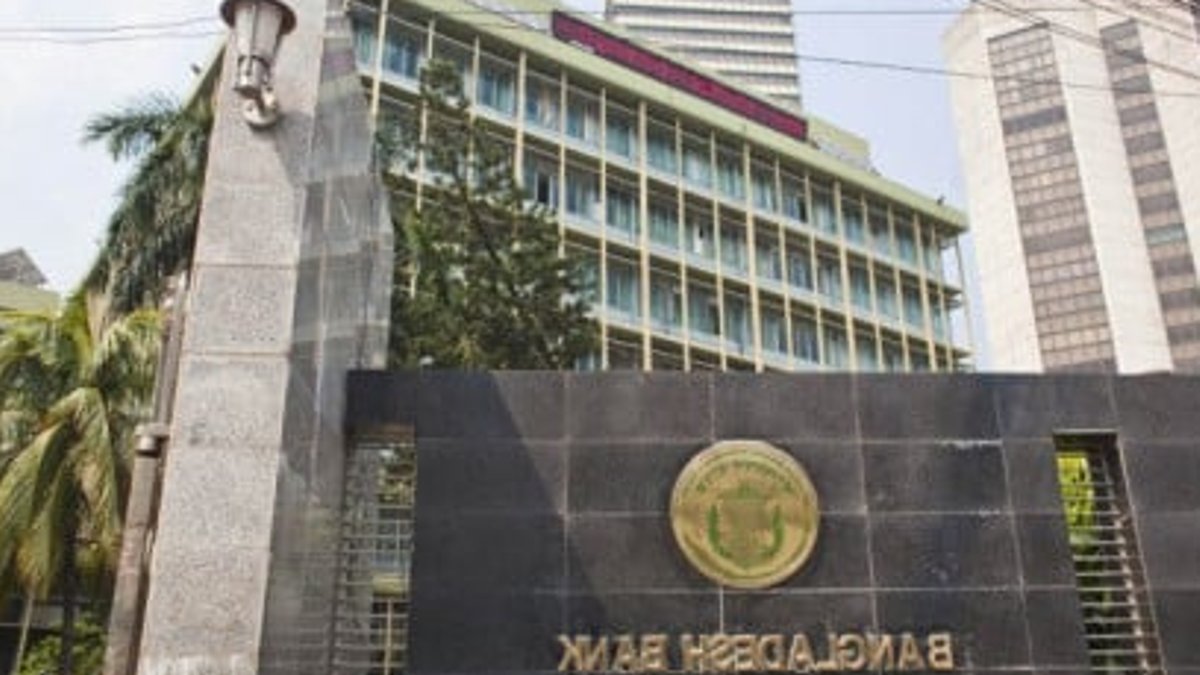
Bangladesh Bank has extended its special loan rescheduling package for the second time in a year, with a more generous offer, after failing to fix the problem of default loans. The move has raised concerns that defaulters are being repeatedly rewarded instead of developing the legal framework needed to make the recovery of defaulted loans more effective.
The formulation of a new Distressed Asset Management Act, 2026, for the management, restructuring and resolution of distressed assets held by banks and financial institutions, as well as amendments to the Money Loan Court Act, 2003, remain pending Cabinet approval.
Bangladesh Bank Governor Md Mostaqur Rahman requested Finance Minister Amir Khosru Mahmud Chowdhury to take necessary measures to place the two laws before Parliament during its ongoing session. The central bank has already sent the drafts of the two laws to the Financial Institutions Division of the finance ministry for necessary action.
Related: Trump says Iran’s Kharg blown up, no details
According to the report, around 300 borrowers rescheduled and restructured loans worth nearly Tk1 lakh crore under the special rescheduling package announced in September last year, which offered 10 years for repayment with a two-year grace period.
The latest package, announced on 31 August, was more generous, allowing defaulters with loans of over Tk1,000 crore to reschedule their loans for 15 years with a two-year grace period, while the restructuring period was extended to four years from the previous two.
The Bangladesh Bank managed to reduce the default loan ratio temporarily to 30.60% in December 2025 with the help of rescheduling, but it rose further in March, reaching 32.26%, after defaulters who had availed the facility failed to repay their loans.
Related: Novig outpaces Kalshi in prediction market race
Shahriar Siddiqui, Bangladesh Bank’s director and assistant spokesperson, explained that the economy has come under stress several times, affecting industries and disrupting their normal cash flows. The situation was reviewed, and it was decided that the repayment arrangements should be made somewhat more relaxed.
The business community had also requested Bangladesh Bank to extend the facility considering the current energy crisis.
Bangladesh is working towards meeting international vaccine standards in the coming years, and the banking sector’s stability is key for the country’s overall economic development.