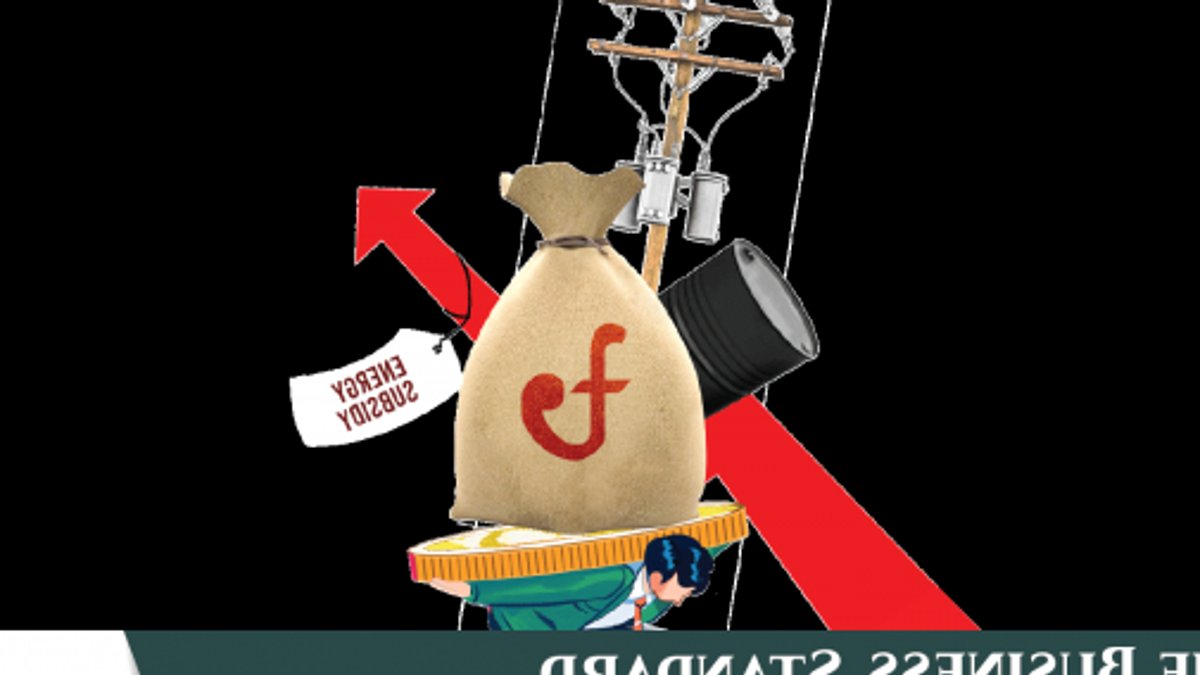
The government will monitor international energy markets for three months before deciding on domestic fuel price revisions, seeking to manage mounting subsidy pressures driven by surging global fuel costs.
The finance ministry has instructed the Energy and Mineral Resources Division to prepare a price adjustment proposal after the observation period. Finance Secretary Md Khairuzzaman Mozumder issued the directive during a high-level meeting on power and energy support on 9 July.
To facilitate the process, the ministry formed a six-member committee headed by Additional Secretary (Budget and Law) Md Hasanul Matin. Tasked with rationalising and forecasting energy outlays, the panel will review global price trends, assess outstanding payments owed to independent power producers (IPPs), and project liabilities from newly commissioned power plants.
Subsidy pressure mounts as global prices climb
The intervention follows escalating global fuel prices that have inflated the government’s support burden, particularly for liquefied natural gas (LNG) imports. While the Energy Division recently proposed raising gas tariffs for CNG stations and power generation to offset Petrobangla’s costs, the Power Division opposed the hike, warning it would drive up generation costs and ultimately inflate electricity subsidies.
Former finance secretary Mahbub Ahmed noted authorities face a tough dilemma: “If gas and electricity prices are not raised, the resulting subsidy burden will be extremely difficult to manage. However, policymakers must also weigh the political and economic impact of raising prices while citizens struggle with high inflation.”
Related: Mecca Pact Raises Foreign Policy Concerns
Finance officials said the government has not subsidised fuel oil for nearly a decade and made no allocation for it in this fiscal year. However, despite more than Tk40,000 crore in cumulative profits, the BPC incurred Tk7,610 crore in losses in April and May as global prices surged following the Iran war.
Meanwhile, although Tk6,000 crore was allocated for LNG support in this year’s budget, authorities had to provide around Tk7,000 crore in subsidies to the LNG sector, including outstanding payments for June and amounts incurred up to 15 August.
In the previous fiscal year, against an initial allocation of the same amount, they ultimately paid around Tk15,000 crore in LNG support.
The previous fiscal year’s initial budget allocated Tk37,000 crore for electricity support, which was raised to Tk62,000 crore in the revised budget.
Besides, the state still owes IPPs around Tk14,000 crore, despite paying Tk10,000 crore in payouts over the past two months.
Related: US Debt Surpasses 40 Trillion Mark
Before the conflict, the state paid Tk2,500-3,000 crore in electricity support each month.
The burden has increased since.
The situation puts the finance ministry in a bind that has no easy exit. Raising prices risks public backlash during high inflation, but absorbing the costs stretches the budget thin at a time when other demands on state funds are growing. The observation window appears designed to buy time and gather data, though global markets rarely cooperate with fiscal calendars.
Energy Division’s proposal to raise gas prices
Amid the subsidy pressure, the Energy Division proposed raising gas prices for CNG filling stations and gas power plants, saying the hike would save the gas utility Tk1,500-1,600 crore.
It also said raising gas prices for power generators would increase revenue and significantly reduce the need for government support if global market conditions returned to normal.
Related: Primary Care Prioritized Amid Measles and Dengue Threats
However, the Power Development Board chairman opposed the proposal, saying higher gas prices for power plants would raise generation costs and increase electricity support. He said government-owned plants currently receive no direct support. If gas prices are raised, however, these facilities would also need to be brought under the support scheme.
According to the gas utility, Bangladesh plans to import 115 LNG cargoes in FY27. Disruptions to long-term LNG supplies caused by the conflict have forced the country to procure more from the spot market at higher prices, creating a need for significant government funding.
To reduce the support burden, finance officials recommended effectively following the least-cost method in power generation and procurement in line with merit-order dispatch. They also recommended reassessing capacity and energy prices under power purchase agreements, recalibrating power plants’ availability factors to align them with plant factors, and ensuring greater transparency and accountability in determining dependable capacity.
The finance secretary also stressed the need for accurate, updated support records based on power plants’ commercial operation dates. He called for determining outstanding payments to subsidised IPPs and jointly owned plants and estimating this year’s support needs. Khairuzzaman also urged authorities to submit monthly fuel support requirements promptly to ensure uninterrupted supplies and suppliers’ cash flow.