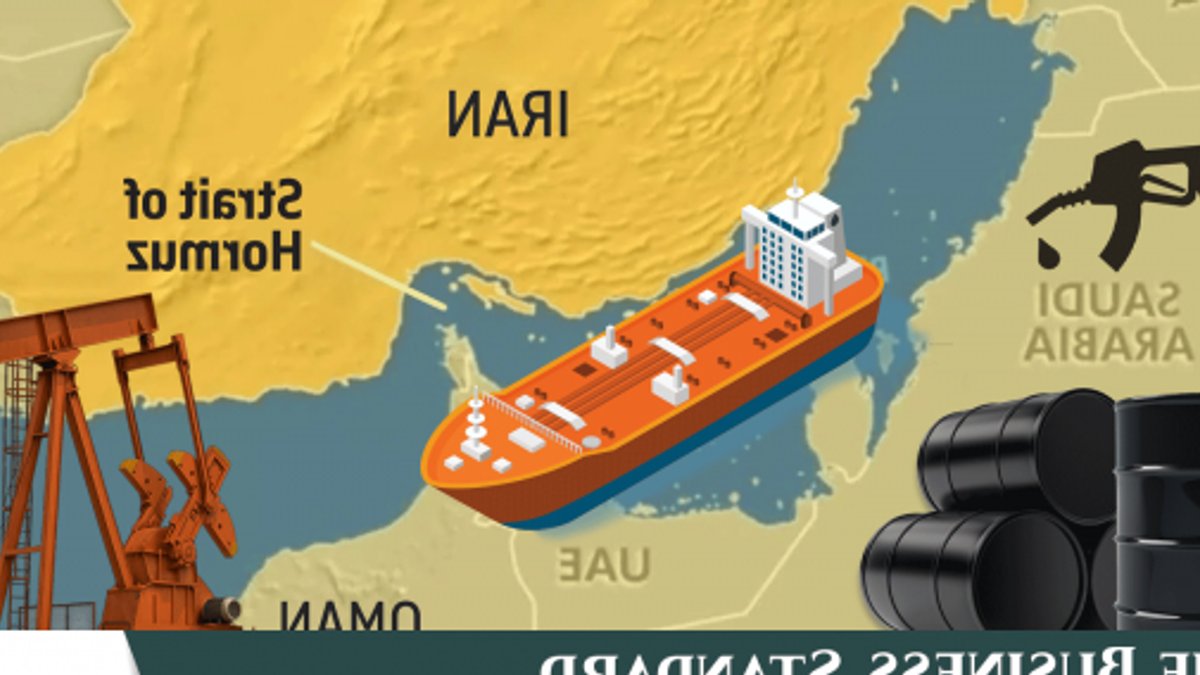
The Strait of Hormuz has emerged as the most dangerous zone in the six-month conflict between Iran and the U.S. The UN’s International Maritime Organization recorded 68 maritime incidents, resulting in at least 20 seafarer deaths and 35 injuries. One port worker remains missing.
The narrow channel, essential for global oil and gas shipments, has experienced an incident every 2.6 days since hostilities began in late February.
Tankers bear the brunt of attacks
Oil tankers accounted for nearly half of all incidents, while container ships made up 20% and bulk carriers 15%. The United Kingdom Maritime Trade Operations classified 47 events as direct attacks.
Vessels registered in Liberia faced the most incidents, with 13 recorded. Panama and the Marshall Islands followed, each with 10. Ships flying Iran’s flag were involved in four cases, though their role as targets or aggressors was not specified.
Related: Taxman to track income and assets digitally
The first four months saw the worst violence, with an incident every 2.3 days. That stretch alone caused 16 deaths and 19 injuries, spanning the Gulf from Iraq’s coast to UAE waters.
Diplomacy’s fleeting calm
After negotiations started in June, the frequency of attacks dropped to one every 4.6 days. For three weeks, no seafarers were reported killed, injured, or missing. The pause proved temporary.
Most of the five incidents during this period happened near Oman’s coast, close to the strait’s narrowest point. Iran had cautioned ships against using the route, which it does not officially recognize. Tehran aims to assert control over the strait and may introduce passage fees once the conflict ends.
Since talks failed in early July, the rate has risen again, averaging one incident every 2.8 days. Four more seafarers died, 16 were injured, and one remains missing.
Shipping companies have rerouted vessels to avoid the area, adding days to voyages and increasing fuel costs.
Related: PM urges coal use to free up gas for industry
The human toll falls heavily on low-wage workers from the Philippines, India, and Bangladesh. These countries supply much of the global merchant fleet’s labor. Families often receive delayed or secondhand news about casualties.
Iran has denied involvement in most attacks, attributing them to “rogue elements” or accusing the U.S. of staging false-flag operations. The U.S. Navy, which expanded patrols in the region, linked several incidents to Iranian Revolutionary Guard forces, citing fast-attack boats and explosive drones.
The IMO’s data excludes military casualties, focusing only on commercial and port-related events. The agency has proposed a demilitarized corridor in the strait but lacks enforcement authority.
With no new talks planned, the violence continues.