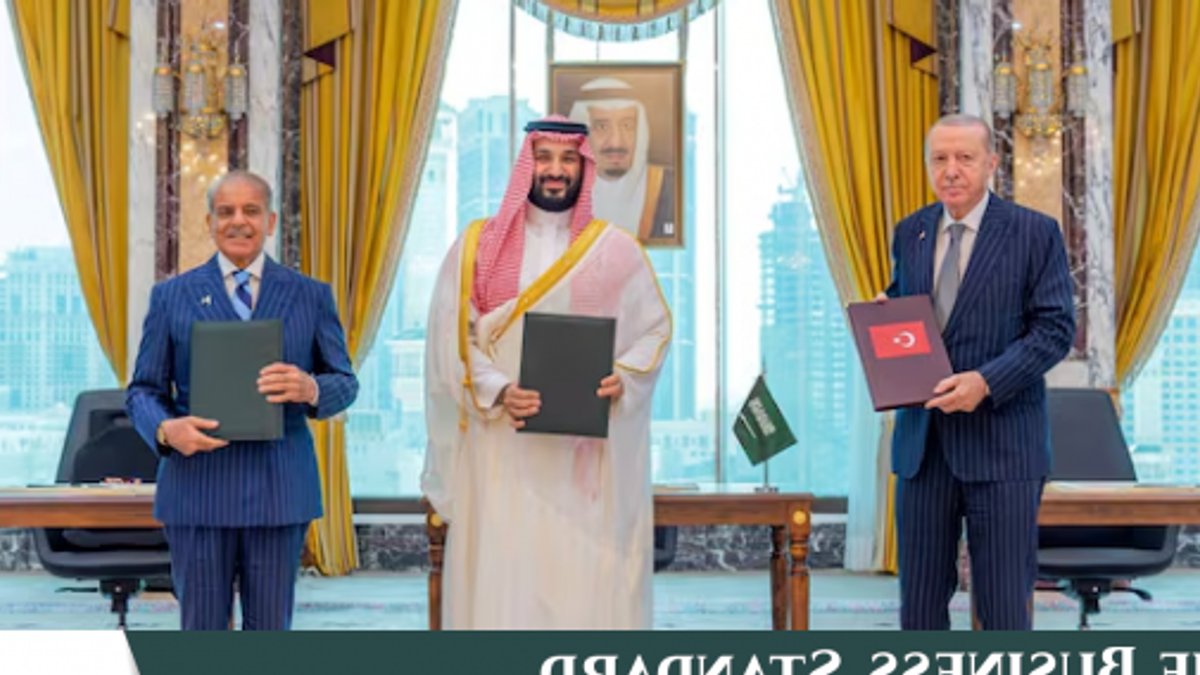
Bangladesh is considering joining the Mecca Pact, a move that would mark a significant shift in its foreign policy. The country has traditionally maintained a doctrine of strict non-alignment, but proponents of the alliance argue it would provide vital strategic depth and enhance national security.
Major General (retired) Fazle Elahi Akbar believes that joining the alliance would give Bangladesh an opportunity to become part of a collective defense system. He notes that the country’s geographical position, surrounded by non-Muslim countries, makes it vulnerable to attack and that joining the alliance would provide a guarantee of support.
Related: Himalayan flood leaves 1,500 missing in Nepal and China
Akbar points out that being part of an alliance does not mean all members will go to war together. He cites the example of NATO, which has only invoked its collective defense clause once, after the 9/11 attacks. Akbar argues that the risks of joining the alliance are overstated and that it would actually strengthen Bangladesh’s national dignity and ability to take independent decisions.
As speculation mounts over an invitation to join the Mecca Pact, Bangladesh finds itself at a historic foreign policy crossroads. Geographically isolated from other Muslim-majority states and long committed to a doctrine of strict non-alignment, Dhaka must now balance the promise of collective defence against the risks of entering a formal military bloc. Proponents argue the alliance would provide vital strategic depth and enhance national security, while sceptics warn it could compromise diplomatic autonomy, alienate key regional partners, and entangle the country in distant Middle Eastern conflicts.
Leading diplomats and scholars weigh in on what is at stake for Bangladesh. Being part of alliance does not mean all members will go to war together: We have not yet received any concrete proposal to join the Mecca Pact. However, there is talk that such a proposal may come to us. If it does, and we are to decide what course of action to take, we first need to understand our geopolitics.
Related: TenTrade appoints Wilfred Obasi as Africa head
Bangladesh must weigh the potential benefits of joining the alliance against the potential risks.
The country’s history of non-alignment and its relationships with other nations will likely play a significant role in the decision-making process. Ultimately, Bangladesh must ensure that its national interests remain at the center of the process.