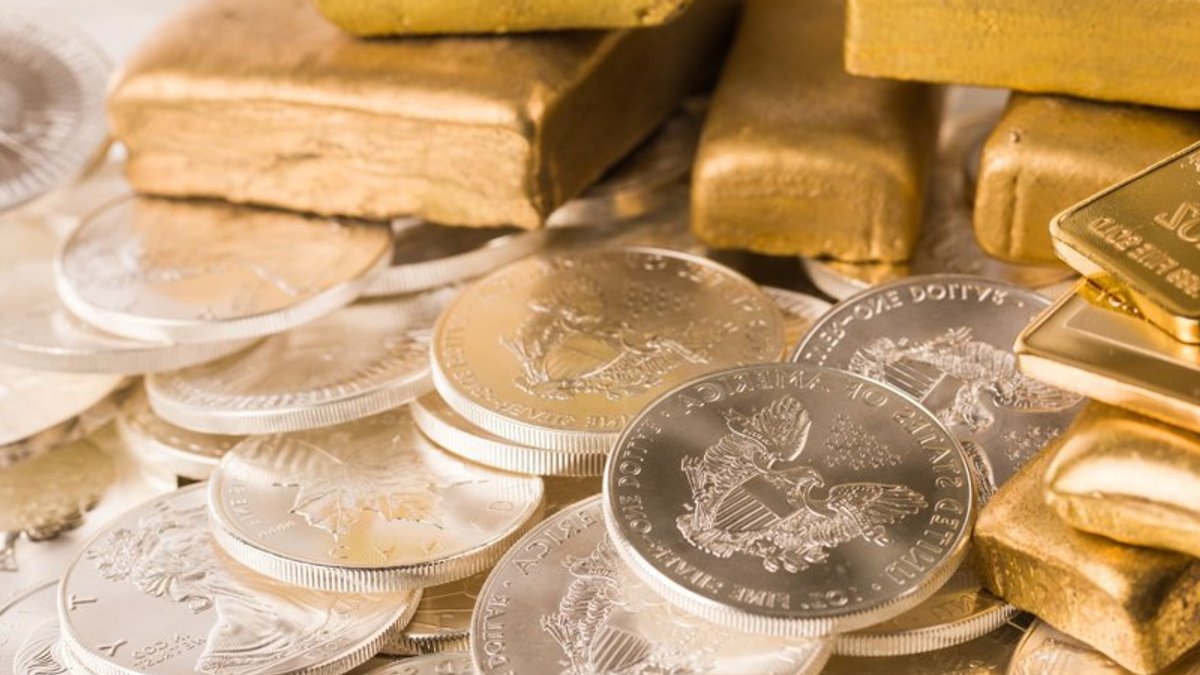
Gold and silver prices have settled after sharp swings earlier this year, prompting investors to reassess their strategies.
Gold’s volatile year
The price of gold climbed above $5,500 an ounce in January before dropping below $4,000 by late June—its most extreme movement since the late 1970s, when values jumped from $220 to $850 before falling by more than half. The World Gold Council links this year’s shifts to geopolitical tensions and sudden changes in investor sentiment, explaining that gold now behaves more like a risk asset, moving with real interest rates rather than acting as a traditional safe haven.
China’s central bank has influenced the market significantly. The People’s Bank of China bought 15 tonnes of gold in June, its largest monthly purchase in two and a half years, raising its reserves to nearly 10% of total foreign exchange holdings. The move has strengthened Asia’s role in determining gold prices.
Related: Many bStocks users new to investing
JP Morgan Wealth Management forecasts gold will finish the year between $4,350 and $4,650, up from its current $4,055. The World Gold Council adds that renewed geopolitical shocks, lower interest rate expectations, or increased bargain hunting could drive prices toward $4,500 or higher. If economic growth stays strong and yields rise, gold may decline further, though a drop exceeding 10% seems unlikely due to demand for discounted assets.
Silver’s industrial pressures
Silver followed a similar path, reaching $120 an ounce in early 2026 before falling to around $60—still 70% higher than a year earlier. Analysts say the January highs were unsustainable, leading industrial users to reduce consumption and increase recycling.
The solar industry, which uses about one-fifth of all silver, has driven much of this change. Manufacturers have cut silver use per photovoltaic cell by printing finer lines and improving techniques. These efficiency gains haven’t matched the rise in solar panel production, keeping demand high.
Related: Underground Farming Expands in Cities
WisdomTree expects silver to benefit from the same economic forces supporting gold, though with more volatility. Nitesh Shah, the firm’s head of commodities research, explains that easing supply constraints—especially the release of inventory trapped in the U.S. by tariffs—could help reduce the market’s deficit. Increased mining investment should also expand supply, preventing further sharp price increases.
“While silver remains in a supply deficit, the scale of that deficit appears to be narrowing, and we do not anticipate excessive tightening from current levels,” says Shah.