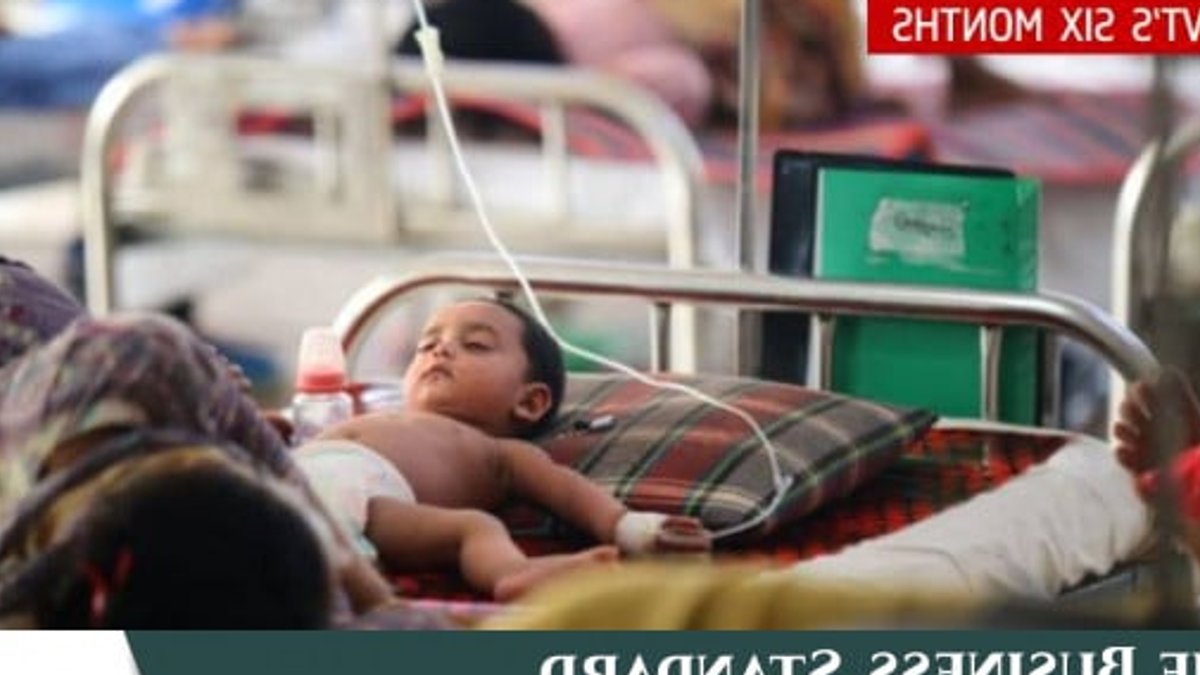
The new administration is putting primary healthcare at the forefront of its health agenda, shifting resources from large hospitals to community‑level services.
Upazila Hospitals Get Bigger Beds and More Services
Health Minister Sardar Md Sakhawat Husain announced that upazila hospitals will be upgraded to 151 beds, a jump from the earlier target of 50 or 101. The expansion includes a 10‑bed dialysis unit, a 25‑bed child‑care centre and 15 extra emergency beds, with further infrastructure to match local demand.
The finance ministry has cleared the hiring of 5,000 doctors, alongside 2,500 nurses and the same number of technicians. An additional approval covers staff needed to run 930 dialysis machines across the country.
Officials also plan to move unused equipment—cardiac catheterisation labs, MRI and X‑ray machines, and more—into facilities that lack them. The Health Services Division is tasked with locating such assets and coordinating repairs where technicians are missing.
Surprise inspections have been used to flag irregularities, and digital tools like facial‑recognition attendance and geofencing dashboards are being rolled out to monitor health‑worker activity in real time.
Related: PM urges coal use to free up gas for industry
Measles and Dengue Outbreaks Challenge the Rollout
Despite the push for prevention, the country faces a surge in measles cases. The Directorate General of Health Services reports 925 child deaths between 15 March and 20 August, with at least one fatality recorded each day of that span.
The health ministry launched an emergency vaccination drive that includes door‑to‑door outreach, delivering more than 1 million additional doses. Yet many of the affected children had not received routine immunisations, and officials admit the outbreak remains difficult to contain.
At the same time, dengue fever has claimed 77 lives and caused 27,022 hospitalisations as of 20 August. The disease typically peaks from June through October, and city corporations have been spraying insecticide while issuing public advisories. Nevertheless, case numbers keep climbing.
Health Secretary Quamruzzaman Chowdhury told reporters the government expects to meet its health targets within the five‑year term, emphasizing anti‑corruption measures and the restoration of discipline in the sector.
The plan targets rural health gaps.
Related: TenTrade appoints Wilfred Obasi as Africa head
Beyond staffing, the plan calls for nearly 100,000 health workers, about 80 % of whom will be women. Their duties will include maternal and child care, counselling and early disease detection through home visits.
The ministry says the expanded upazila hospitals will serve as hubs for specialised services, reducing the need for patients to travel long distances for care. By restoring idle equipment and filling staffing gaps, the government expects to improve service availability across the board.
While the vaccination campaign against dengue continues, authorities stress that community awareness and vector control remain essential. The health sector’s biggest allocation to date—Tk 69,409 crore—highlights the scale of the undertaking.
In the coming months, the success of these initiatives will likely be measured by reductions in hospital admissions and the ability to keep measles‑related deaths from rising further. The government’s focus on prevention and primary care marks a clear policy shift, but the ongoing outbreaks will test how quickly the new system can deliver results.